

Precise & Expert Interventional Radiology
Accurate Minimally Invasive Image-Guided Procedures
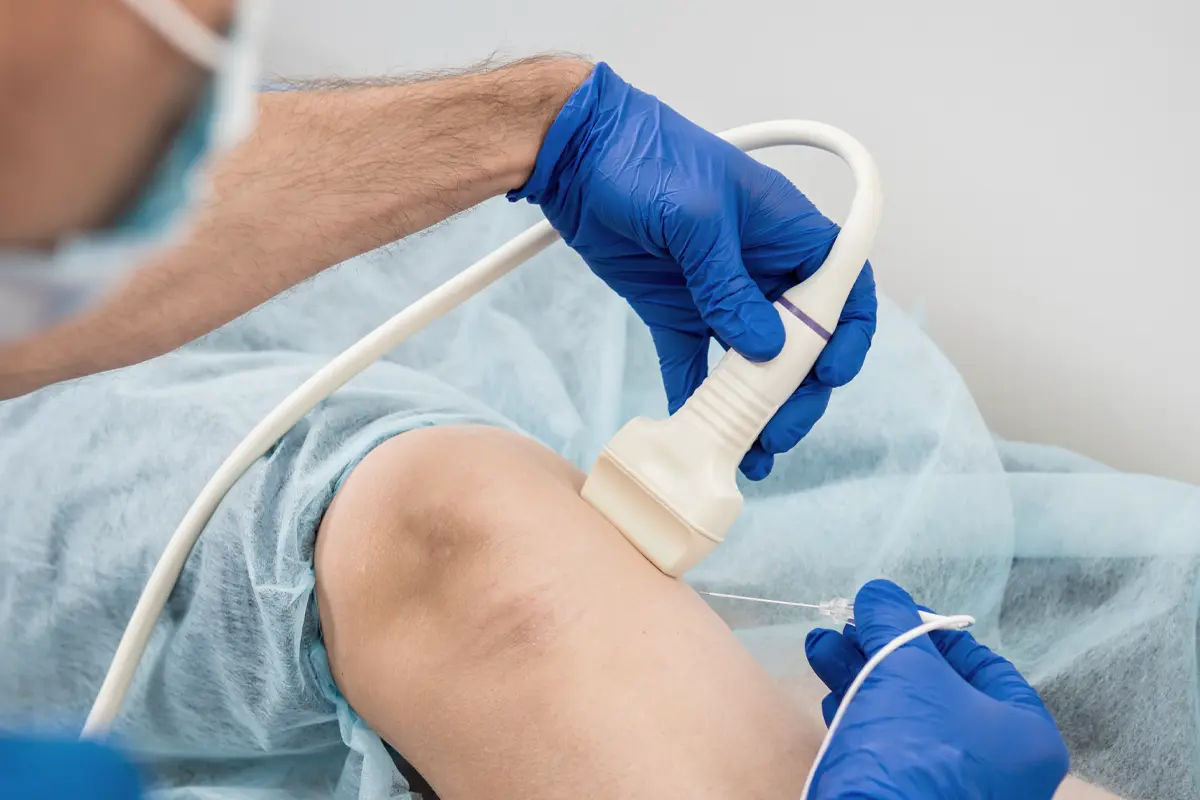
Procare Radiology offers a range of image-guided interventional procedures performed in a precise, minimally invasive outpatient setting. Using ultrasound guidance, selected procedures can be carried out accurately and efficiently under specialist radiologist oversight.
This helps improve convenience and confidence for both patients and referring doctors, while allowing targeted treatment and diagnosis without the need for more invasive approaches where not necessary.
Why Image-Guided Procedures?
Image-guided procedures provide several advantages compared with non-guided techniques.
Procedure time varies depending on the type of intervention being performed.
Precision
Real-time imaging allows accurate placement of needles or medication.
Accurate Targeting
The radiologist can visualise the exact area being treated.
Minimally Invasive
Most procedures require only a small needle and local anaesthetic.
Specialist Radiologist Oversight
Procedures are performed and supervised by an experienced radiologist.
Efficient Outpatient Care
Most patients can return home shortly after their procedure.
Interventional Radiology Common Applications
Ultrasound-Guided Injections
Lasting Relief
We offer ultrasound-guided injections for selected joint, tendon sheath, bursal and soft tissue conditions.
Ultrasound guidance allows accurate placement of medication into the intended target area, improving precision compared with blind injection techniques and helping support a more targeted outpatient approach.
What to expect
Compared with blind injection techniques, ultrasound-guided injections offer:
- Improved precision and accuracy
- Better targeting of joints, tendons, and soft tissues
- Reduced risk of surrounding tissue injury
- More effective delivery of therapeutic medication
Biopsies & Fine Needle Aspirations
Ultrasound Guided Biopsies
Image-guided biopsies allow the radiologist to obtain tissue samples safely and accurately for laboratory analysis.
Using ultrasound guidance allows the needle to be directed precisely to the area of concern while minimising discomfort. Fine needle aspiration (FNA) or core biopsies, are a quick and effective method of sampling tissue when further diagnostic clarification is needed.
What to expect
These procedures are frequently used to evaluate:
- Thyroid nodules
- Lymph nodes
- Superficial masses or soft-tissue lesions
Aspirations & Drainage Procedures
Precise Care
In certain situations, fluid collections may need to be sampled or drained to relieve symptoms or aid diagnosis. These procedures are performed with careful imaging guidance to ensure safe and accurate placement of the needle.
What to expect
Using ultrasound guidance, the radiologist can safely access and drain fluid from selected areas, such as:
- Cysts
- Fluid collections
- Pleural effusions
- Ascites drainage
Minimally Invasive Tumor & Nodule Treatments
Precise Treatment
Interventional radiology also offers targeted therapies such as Alcohol ablation which is used to shrink or treat tumors or nodules.
What to expect
This procedure involves injecting alcohol directly into the tumor or nodule under imaging guidance, causing cell death and shrinkage.
- Imaging (ultrasound) guides a thin needle into the cyst or tumor.
- An alcohol solution is injected directly into the cyst or tumor to either shrink the lesion or destroy abnormal cells.
- Procedure time varies depending on the type of intervention being performed.
Ultrasound-Guided Ascites Diagnostic & Therapeutic Drainage
Targeted Therapy
This procedure involves using ultrasound guidance to insert a needle or catheter into the abdominal cavity to drain excess fluid (ascites) that has accumulated due to various medical conditions.
What to expect
Diagnostic drainage helps identify the cause of ascites, while therapeutic drainage provides relief from discomfort, shortness of breath, or other symptoms.
- Using ultrasound guidance, a needle or catheter will be inserted into the abdominal cavity to drain the excess fluid.
- After the procedure, the drained fluid will be sent for laboratory analysis (if diagnostic), and you will be monitored for a short period before discharge.
- Procedure time varies depending on the type of intervention being performed.