

Precise & Expert Interventional Radiology
Specialist Treatment Without the Stress of Surgery
Dr. Berk is a highly experienced Ultrasound guided Interventional Radiologist, offering patients advanced, minimally invasive procedures as a diagnostic and/or therapeutic tool to determine the appropriate treatment and may prevent the need for traditional surgery.
Using real-time ultrasound imaging, he performs targeted procedures with potentially less pain, and faster recovery. Patients choose Dr. Berk for his precision, expertise, and reputation as one of South Africa’s trusted specialists in image-guided care.
What Is Interventional Radiology?
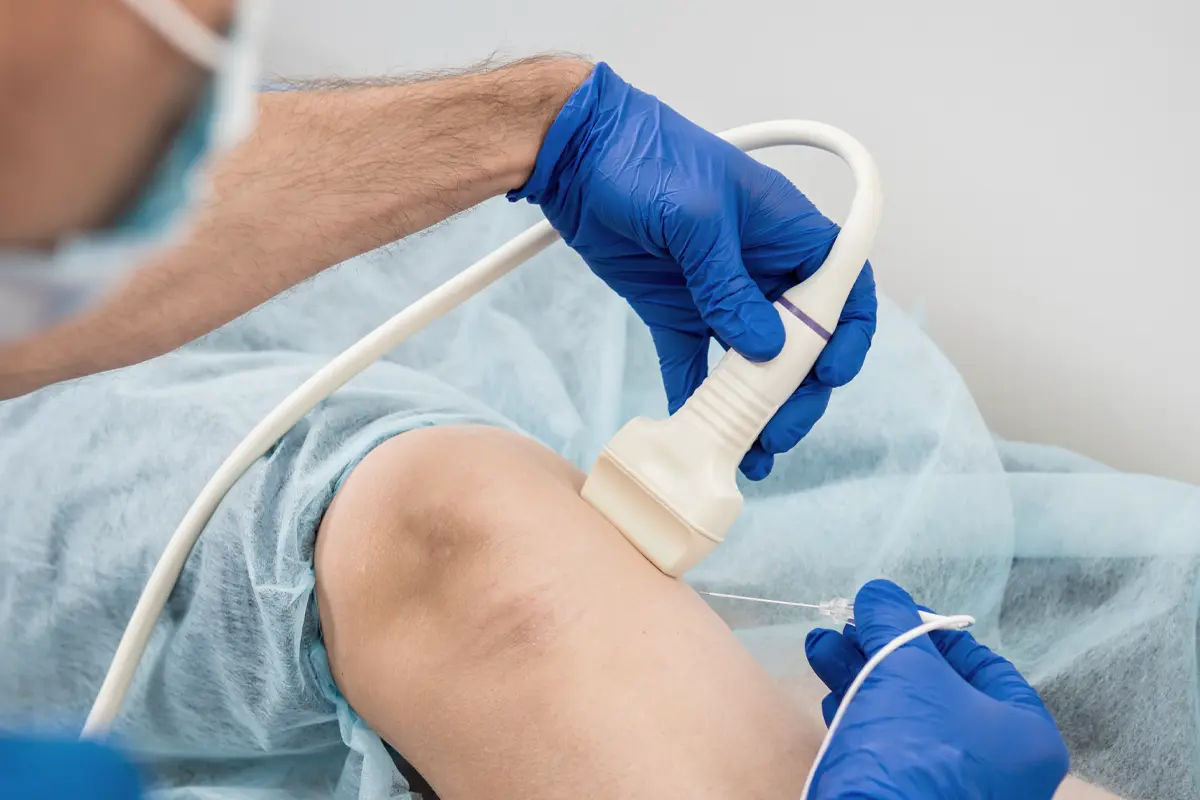
Interventional Radiology (IR) is a specialized field of medicine where imaging guidance is used to perform treatments inside the body with tiny instruments such as needles or catheters.
These procedures are often performed under local anesthesia, avoiding general anaesthesia and formal surgery.
Interventional Radiology Common Applications
Biopsies (Image-Guided)
Professional Biopsies
Dr. Berk performs ultrasound-guided biopsies to accurately diagnose diseases without open surgery.
What to expect
This treatment includes neck masses and soft-tissue biopsies.
- The area is sterilized and numbed with local anesthesia.
- Using imaging guidance, a fine needle is inserted precisely into the area of concern.
- A small tissue sample is collected for laboratory testing.
- Most biopsies take 20–40 minutes, and patients usually return to normal activity after the procedures.
Drainage Procedures
Precise Care
Fluid collections such as effusions or cysts can be safely aspirated using image-guided drainage instead of surgery.
What to expect
This minimally invasive approach involves inserting a catheter or needle under imaging guidance to drain the fluid collection.
- The procedure is done under ultrasound.
- A thin needle or catheter (drain) is placed through the skin into the fluid pocket.
- The fluid is gently drained, relieving pressure, infection, or discomfort.
Minimally Invasive Tumor & Nodule Treatments
Precise Treatment
Interventional radiology also offers targeted therapies such as Alcohol ablation which is used to shrink or treat tumors or nodules.
What to expect
This procedure involves injecting alcohol directly into the tumor or nodule under imaging guidance, causing cell death and shrinkage.
- Imaging (ultrasound) guides a thin needle into the cyst or tumor.
- An alcohol solution is injected directly into the cyst or tumor to either shrink the lesion or destroy abnormal cells.
- Procedures usually last 10-20 minutes, and patients can usually return to normal activity thereafter.
Ultrasound-Guided Ascites Diagnostic & Therapeutic Drainage
Targeted Therapy
This procedure involves using ultrasound guidance to insert a needle or catheter into the abdominal cavity to drain excess fluid (ascites) that has accumulated due to various medical conditions.
What to expect
Diagnostic drainage helps identify the cause of ascites, while therapeutic drainage provides relief from discomfort, shortness of breath, or other symptoms.
- Using ultrasound guidance, a needle or catheter will be inserted into the abdominal cavity to drain the excess fluid.
- After the procedure, the drained fluid will be sent for laboratory analysis (if diagnostic), and you will be monitored for a short period before discharge.
- The procedure typically takes 30-60 minutes.
Ultrasound-Guided Joint Injections
Lasting Relief
This procedure involves using ultrasound guidance to inject medication (such as corticosteroids or local anaesthetic) directly into a joint to treat joint pain, inflammation, bursitis or arthritis.
What to expect
By precisely targeting the affected joint, ultrasound-guided injections can provide more effective pain relief and reduce potential side effects.
- Using ultrasound guidance, a needle will be inserted into the joint space to inject the medication.
- After the procedure, you will be monitored for a short period before discharge, and you may experience some temporary soreness, or numbness, or swelling.
- The procedure typically takes 15-30 minutes.